The importance of trust: Online privacy issues and the consumer’s relationship with free products and services
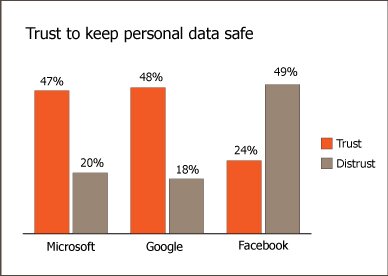
With the ability to connect with friends and strangers via the internet (through free social networks, forums and blogs, and free mobile applications), the dissemination of personal information online is on the increase. But this online freedom can result in ‘real life’ problems – the spread of personal information beyond the owner’s wishes, or even greater vulnerability to criminal activity. With online privacy hitting the headlines recently[1]and the Mobile Entertainment Forum launching their Privacy in Mobile Applications Initiative[2], issues of privacy and trust have come to the forefront of consumer consciousness.
Website owners and application developers who offer free products and services, such as Google, Facebook, and Twitter, are currently struggling to strike a balance between maximising the utility of the personal data they receive whilst meeting the needs of their consumers for a trusted, non-invasive service. There are two ways businesses can proceed: minimising consumer concerns about trust, or maximising the advantage of using the service, website or application. These approaches can be used simultaneously and are theoretically most effective when combined.